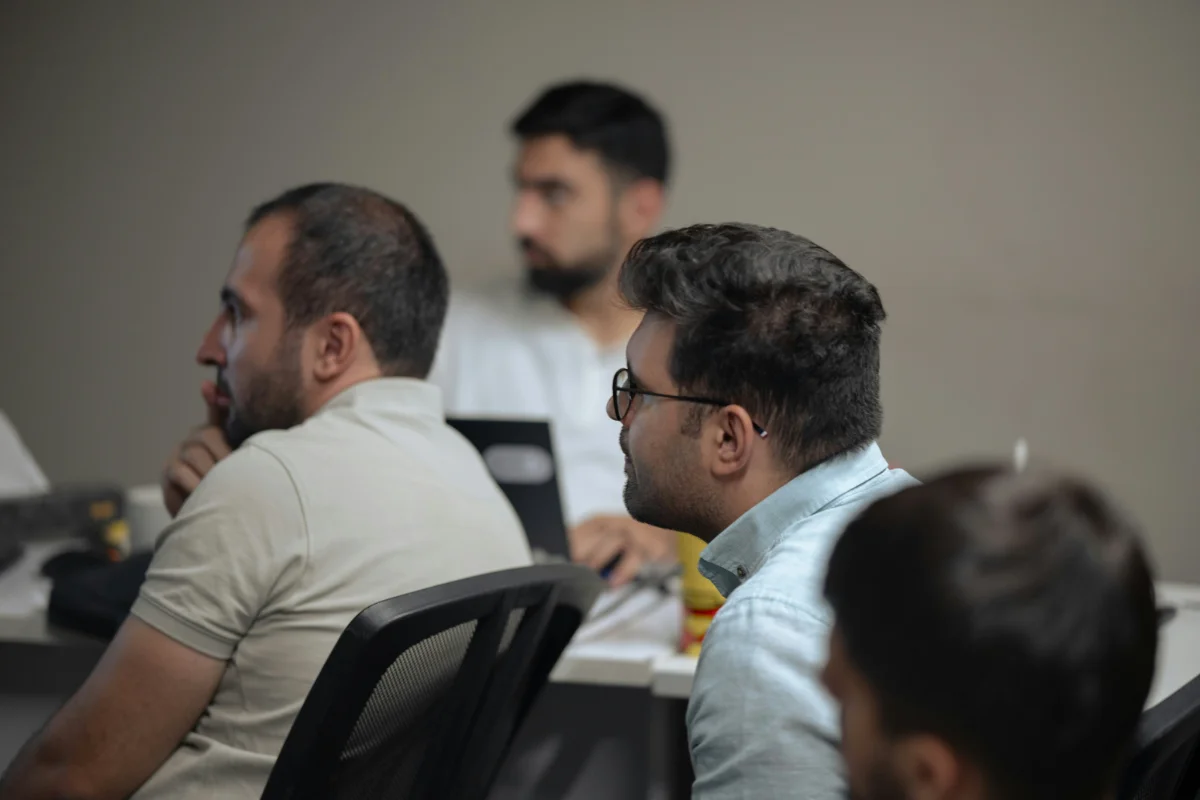
A successful Everything DiSC® workshop cannot be improvised. It is based on a precise structure: thorough preparation beforehand, a logical flow during the session, and solid follow-up afterwards. Here is a comprehensive guide to structuring your workshop from start to finish.
Before the workshop: preparation that makes all the difference
Define the objective of the session
A DiSC workshop can serve several purposes: to improve communication between team members, to prepare a team for change, or to develop the managerial skills of a group of managers. Clarify the objective with the client before choosing your format and profile.
Choosing the right profile
- Everything DiSC® Workplace : anyone working in a team, at any level
- Everything DiSC® Management : operational managers, manager-staff relations
- Everything DiSC® Work of Leaders : executives and senior managers, vision/alignment/execution
- Everything DiSC® Sales : sales teams, adapting to different client styles
Hand out the questionnaires in advance
Please send out the questionnaires at least a week before the workshop. Participants need time to complete them properly — not in five minutes between meetings. Send a reminder three days before the workshop if some people haven’t completed them yet.
Preparing to read the group profiles
Before entering the room, read through the individual profiles of all the participants. Identify the range of learning styles within the group, any potential stylistic conflicts, and which participants might need special consideration. This preparation will enable you to facilitate the session in a much more personalised way.
During the workshop: the recommended structure
Phase 1 — Opening (15–20 mins)
Set the scene for the workshop: why we are here, what DiSC is (and isn’t), and what will remain confidential. Establish a basic group agreement. Psychological safety is built from the very start.
Phase 2 — Getting to know the model (20–30 mins)
Present the four styles in an engaging way — using concrete examples and recognisable situations. Use the Catalyst videos where available. Avoid overly long lists of characteristics: three distinctive traits per style are sufficient.
Phase 3 — Personal profile assessment (30–40 mins)
Allow time for individual reading. Suggest a sharing activity in pairs or groups of three: ‘one thing you recognise, one thing that surprises you’. The discussions at this stage are often the most rewarding of the day.
Phase 4 — Application to the team context (30–45 mins)
Present the group report (if available). Lead a discussion on: how do our differences in style manifest themselves in day-to-day life? Where do our collective strengths lie? Where are our blind spots? Use specific examples from the team’s experience if you have been properly briefed.
Phase 5 — Grounding and commitments (20–30 mins)
Each participant sets out a concrete behavioural intention for the coming weeks. Not just a wishful thought — a specific action, with a clear context. The facilitator makes a note of it, and ideally, a follow-up is planned.
Phase 6 — Closing (10-15 min)
Tour de table express : un mot ou une phrase sur ce que chacun emporte. Remerciements. Rappel des ressources disponibles (Catalyst, rapport de comparaison). Information sur les suites possibles.
After the workshop: consolidating the impact
The workshop is not an end in itself — it is a starting point. Suggest a follow-up session 30 days later: a short 45-minute team session to review the changes observed. Encourage the use of Catalyst and comparison reports in day-to-day interactions. Teams that incorporate DiSC into their everyday language are the ones that derive the most value from it in the long term.
Would you like support in designing your next bespoke Everything DiSC® workshop? Contact us — this has been our core business for over 20 years.